Rust Prevention for Steel Fences: Service Provider Best Practices
A metal fencing is expected to vanish right into the background, doing its task silently while property owners see the ended up appearance and absolutely nothing else. Rust does the opposite. It transforms a tidy installation right into an upkeep line product, and it begins faster than the majority of people anticipate because water does not need consent to get where it intends to go.
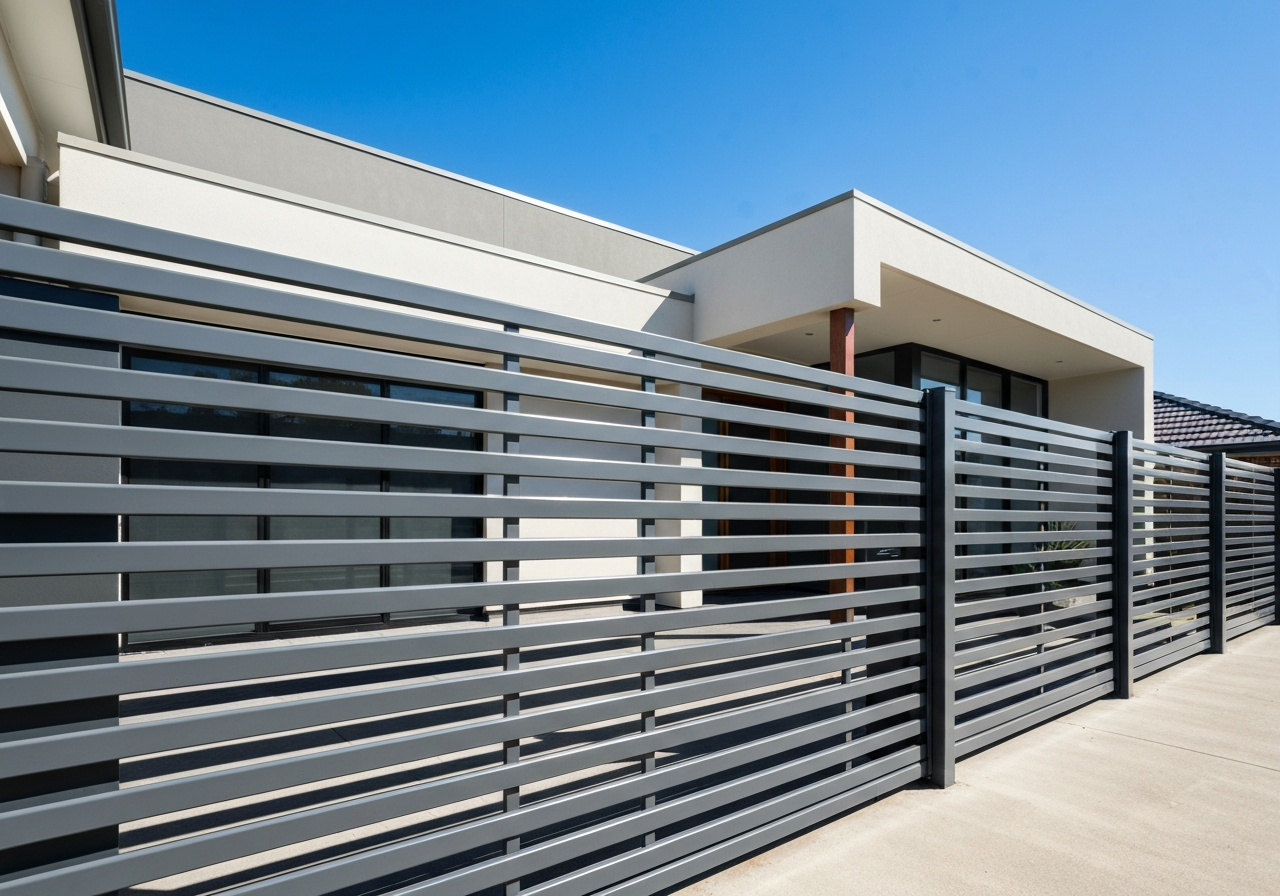
If you construct fencings for a living, you already recognize the real battle is not "maintain it dry permanently." It is managing where dampness accumulates, how oxygen and salts reach the steel, and exactly how well your finish system makes it through effects, scratches, and the small building blunders that take place on every job.
I have watched a lovely fence go from "fresh install" to orange freckles within a period after a handful of avoidable failings. The discouraging component is that rust typically begins at the exact places specialists think are too little to matter: a cut end, an equipment pocket, the bottom of a rail, a weld joint, a fastener under a washer gap. Prevention is primarily self-control, not magic.
Below are best practices I use and suggest for fencing contractors and anyone running a fence company, developed around how rust in fact acts in the field.
Why fencings corrosion where they're the very least protected
Rust is the visible sign of deterioration happening on the steel surface. For steel, the rust process requires three things interacting: moisture, oxygen, and an electrolyte. The electrolyte can be roadway salts, plant food deposit, coastal air, or perhaps unclean water that holds minerals.
On a fence, those active ingredients show up in really foreseeable methods:
- Water intrusion points: cut sides, drilled holes, damaged galvanizing, welds, and any covering that got thin.
- Trapped wetness zones: inside overlapping joints, behind caps, inside hollow rails, and under equipment where a tight gasket never formed.
- Electrolyte sources: runoff from driveways treated with salt, mulch and plant food, and sprinkler overspray that carries minerals.
- Surface disturbance: delivery damage, dragging articles across crushed rock, and "quick touch-ups" that were never really prepared correctly.
A fence set up near a driveway that gets salted, or in a landscape where lawn sprinklers strike the rails daily, is battling a harder fight. That does not suggest you can not develop a lasting system. It suggests your process has to be tighter.
The covering system is only like the surface prep
The finishing system on a steel fence is not one point, it is a chain. If any type of link fails, rust can crawl under or around the safety layer and increase from there.
Surface prep is where great fencing company work separates from rushed installs:
- If you paint over mill range, you are capturing the problem.
- If you repaint over a surface area infected with oil, grease, or chalky old finishing, you compromise adhesion.
- If you skip cleaning up at a cut or a weld, you leave bare steel revealed and all set to rust.
In the real world, surface preparation is additionally concerning handling time. Layer products commonly have minimum and optimum windows. Waiting as well long after blowing up or cleaning can bring contamination back in. Climate matters also, especially humidity. I have seen paint flash-rust in an early morning turnaround due to the fact that the metal sat damp while awaiting the following crew.
The contractor frame of mind ought to be this: you are not simply "painting a fence," you are building a corrosion-resistant interface. Treat it like a system, not a finish.
Choose the ideal steel and finish for the task, not the least expensive option
The ideal corrosion avoidance starts before the first article gets set. If you choose the wrong base product or coating for the environment, you pay later on in callbacks.
Here is the trade-off reality service providers see:
- Painted steel can last a very long time if prepped and coated properly, yet it requires robust finishing stability at cut edges and weld areas.
- Hot-dip galvanized steel provides a thick sacrificial layer, yet it still requires focus at harmed covering and cut points.
- Aluminum and other non-ferrous metals can reduce rust danger significantly, yet they bring their own factors to consider, like bolt compatibility and surface finishing.
- Stainless steel can be superb, yet it is usually just sensible in restricted applications or where corrosion conditions are severe.
When customers ask what to pick, I ask questions back. Is the fencing near treated timber? Is there hefty fertilizer drainage? Are you in a coastal location where salt air is continuous? Does the residential property use water conditioners that may be near downspouts? Are lawn sprinklers aimed at the fencing? These details alter the danger profile.
If you are a fencing contractor bidding process job, the very best relocation is to record best fence installation company those website conditions in writing. Then the coating and equipment option complies with rationally. That is exactly how you prevent arguments later concerning "we really did not understand."
The concealed enemy: cut sides, drilled holes, and weld zones
A lot of fencings rust from the components no homeowner sees up close.
Every time you cut metal, drill openings, scratch a blog post, or weld brackets, you develop subjected steel surface areas. Galvanizing and paint usually do not cover these areas unless you treat them deliberately.
Contractor finest technique is simple yet rigorous: every revealed side needs a corrosion-resistant repair service method that matches the remainder of the system.
Common failing points I've seen during evaluations include:
- Bare steel at cut ends where messages were cut on site and no edge protection was applied.
- Drilled rail holes where bolts left tiny gaps and layer never ever secured the invasion points.
- Weld spatter and thin coating at seams that was brushed over but not appropriately cleaned and recoated.
If you are utilizing paint systems on steel, the edge protection action is not optional. For galvanized steel, damaged zinc requires restoration. Occasionally that means suitable repair work finishes, occasionally a compatible primer and overcoat system, depending upon exactly how the original surface is specified.
The trick is compatibility and coverage. A partial patch that does not bond or does not seal the steel will act like an invite for corrosion.
Hardware and fasteners matter more than people expect
A steel fencing is not simply posts and rails. It is hundreds of little interfaces, and those interfaces are where deterioration gets a foothold.
An usual service provider mistake is focusing on the aesthetic coating while neglecting bolt choice. Incorrect hardware or setup practices can develop deterioration that looks mysterious since the fence surface looks intact.
A few instances from the area:
- If you mix inappropriate metals, you can activate galvanic rust, specifically in damp conditions.
- If washers produce a cap that holds water versus bare steel or damaged coating, corrosion can begin underneath.
- If sealers are utilized inconsistently, you can catch wetness in joints rather than stopping it.
This is likewise where workmanship programs. If you drill somewhat large openings and depend on hardware to "make it fit," you can jeopardize coatings and create wicking courses for water.
When clients ask about "the most effective paint," I usually inform them the very best rust avoidance is also the best equipment installation, due to the fact that it closes dampness paths and keeps interfaces sealed.
Don't catch dampness in hollow sections
Many steel fence styles make use of hollow articles or hollow rails. Hollow areas look clean, yet they are moisture manufacturing facilities if you permit water to go into and remain.
Rust types quicker when water is caught inside a tube since it remains in call with the steel much longer and can focus salts and minerals as it evaporates and re-wets.
Contractor best technique is to take care of drainage and sealing properly:
- Posts must have lower protection and drain technique constant with your system design.
- Any end caps or message covers ought to be fitted so they do not leak and after that hold water at the cap edge.
- If your design counts on "it will certainly dry out," that just works in environments with adequate wind and sun. In shady yards, it fails.
I when saw a fencing with beautiful posts, caps mounted easily, and still the bottom rails rusted via from the inside since the caps were set up in a way that let water accumulate at seams after irrigation events. The fix was not aesthetic, it involved rework of the message securing and edge restoration.
Coating selection: primer and overcoat decisions that actually stick
The coating you pick must straighten with how the fencing is created and what it will encounter. Primer and overcoat systems are not compatible. A primer that bonds well to galvanized steel might not behave the exact same on bare steel, and a topcoat that looks good in an example can stop working if it is applied over contamination.
Practical specialist assistance:
- Use the specified guide for the substratum you have, consisting of galvanized or formerly repainted surfaces.
- Use finishings formulated for outdoor direct exposure and for the temperature range where you apply.
- Apply at the suggested film thickness. Thin coatings can look great however wear and chip much faster, letting the metal breathe wetness and oxygen with micro-damage.
In the store, you could be able to manage conditions and accomplish consistent insurance coverage. On a jobsite, you have wind, moisture, uneven surfaces, and the pressure of the routine. That is why procedure matters more than the label.
A "sufficient" finishing timetable that avoids mindful recoat timing is exactly how you get premature failure. If you handle your staff and pacing, you can stay clear of a lot of that.
Environmental risk transforms the strategy, not just the guarantee talk
Rust danger is not equal throughout all homes. A surround a moist, shaded backyard experiences much longer wetting times than one in open sun. A fence near a sidewalk that obtains salted in wintertime gets salt and dampness in duplicated cycles. Coastal air can be surprisingly aggressive.
If you desire lengthy life span, build a risk-aware plan.
For example, if a residential or commercial property utilizes heavy irrigation, you can develop around it. Ensure the spray pattern does not hit rails. Use placement that encourages runoff rather than standing water. Seal all drilled openings effectively. For winter season climates with de-icing salts, be extra careful with cut edge security and equipment securing. Salts can travel along water movies and get to interfaces you can not see up until the rust is currently inside the system.
And indeed, service warranties issue, but finishings and craftsmanship are what establish whether the guarantee is ever tested.
Scheduling and weather control: the unglamorous part that conserves you money
Most corrosion prevention failures originate from shortcuts around application conditions, not from "poor materials." Coatings are delicate to moisture, dew point, temperature swings, and wind.
On a routine, it is appealing to spray whenever the staff can. The smarter relocation is to plan around drying out time and recoat home windows. If the steel is cool and damp, you can obtain condensation. If it is warm and gusty, you may minimize damp edge time and obtain uneven coverage.
Weather is not just a detail, it influences bond and can influence exactly how coatings cure.
I inform teams this plainly: if you cut an edge on curing and recoat timing, the corrosion you protect against later will certainly not care just how busy the routine was. It will arrive on schedule anyway.
Field workflow: a repeatable procedure for deterioration control
Good contractors run their process like production, because uniformity is what maintains coatings intact from one post go to the following. If your approach adjustments crew to team, you will see deterioration differences job to job.
The process does not require to be made complex. It requires to be regular, and it requires to cover the "little subjected locations" that create huge failures.
Here is a focused list I utilize for steel fencing rust prevention. It is short since if it takes as well long, people will certainly avoid steps.
- Confirm substratum problem: tidy, completely dry, and without oil or loosened coating prior to any priming or painting
- Treat every cut edge, drilled hole, weld zone, and harmed area with the proper corrosion-resistant repair approach
- Use compatible primer and topcoat systems for the base metal (galvanized versus bare steel versus repainted)
- Seal or fit hardware to stop water trapping in joints and under washers
- Manage application problems, recoat home windows, and healing so the layer in fact bonds and solidifies appropriately
That checklist does not replace checking out product information, it requires the team to cover the failure points that corrosion loves.
Common rust-causing mistakes service providers ought to audit
If you run a fencing company, you should periodically audit your very own work. Not in a criticizing way. In a discovering method. Corrosion leaves a route, and the affordable fencing installers trail usually aims right back to process gaps.
When I stroll a job a couple of months after set up, I check out details patterns. Rust that shows up in constant places informs you what stopped working. Right here are the most typical perpetrators I see:
- Touch-up paint applied over unclean or inadequately prepped surfaces, specifically at cut finishes
- Hardware mounted in a way that holds water against the message or rail covering, particularly with voids under washing machines
- Coatings applied as well thin or irregular, causing very early wear at get in touch with and influence points
- Hollow message styles without proper end sealing and water drainage method
- Repairs that are "cosmetic first," implying they hide corrosion instead of bring back deterioration protection at the root
If you want fewer callbacks, deal with these as system failures, not one-off service provider errors.
Material upgrades that decrease long-term maintenance
Sometimes the very best rust avoidance is choosing a setup that decreases corrosion interfaces and decreases direct exposure to damage.
Depending on your market and spending plans, you can decrease danger by readjusting:
- Design details that limitation trapped water and prevent rain runoff from pooling on horizontal surfaces.
- Rail and blog post geometry that reduces revealed sides or makes securing easier.
- Hardware choices that are compatible with the base metal and resist rust themselves.
- End cap and brace systems that seal joints instead of producing pockets for water.
These upgrades might set you back more up front, yet they typically repay with lower upkeep and fewer premature substitutes. For fencing contractors, that can also suggest fewer warranty conflicts, due to the fact that the selection was made deliberately based on site conditions.
If you are selling to homeowners, the discussion matters. Lots of people believe "rust suggests the paint stopped working." They do not understand deterioration can start under hardware or at the bottom of a rail where it never ever gets touched with a brush.
An excellent fence company explains where rust begins and just how your information avoid it. That develops trust, and it maintains assumptions realistic.
Maintenance planning: the smartest "avoidance" is early inspection
Even a correctly installed, properly covered fencing will get messed up. Wind, cutting equipment, youngsters, and landscaping modifications all occur. Maintenance is not an assurance that corrosion will certainly never turn up, but it can quit a small problem from coming to be a full panel replacement.
A maintenance strategy is likewise an organization advantage. If you manage follow-up sees, you can take care of minor damage early with marginal material and labor.
What you try to find, aesthetically, is consistent:
- Orange detecting at cut sides and hardware points.
- Flaking covering around brackets, weld seams, or fasteners.
- Bubbles or peeling off where water got under the coating layer.
- Rust discoloration that shows up after the very first damp period or after heavy irrigation changes.
If the corrosion is caught early, you can frequently address it by cleansing, prepping, and applying the proper fixing system to the influenced locations. Once corrosion takes a trip much deeper, repair service comes to be more costly due to the fact that you may need to remove and replace components.
I have seen fencings that required just spot repairs after the very first winter months, while others that overlooked small indications came to be full recoat work, then later on panel replacements.
Handling repair work without making them worse
Repair job is where a great deal of contractors get floundered because they do not wish to interrupt completed surfaces greater than essential. Yet rust repair work have to recover rust security, not just cover discoloration.
A repair service process should consider:
- Remove or stabilize loose or failing layer so corrosion is not sealed underneath.
- Clean the metal thoroughly so new finish bonds.
- Feather borders effectively so water does not gather at the repair boundary.
- Use a covering system compatible with the original substratum and existing finish.
If you attempt to paint over falling short finish without correct prep, the rust will certainly proceed under your patch. It can raise the surrounding finish later on, making the repair work line larger than the initial problem.
This is also where documentation helps. If you understand what finish system was used originally, you can pick the proper repair items. If you do not, you wind up thinking, and guessing is costly when the fence is already on a wet season schedule.
Making rust avoidance part of your jobsite culture
You can purchase the very best coverings, specify superb equipment, and still fail if your staff treats prep work like a pointer. Rust avoidance is a habits issue as long as it is a product problem.
The ideal fence company regimens are straightforward:
- Train installers to treat cut edges and pierced openings as concern surfaces.
- Build time right into the timetable for prep and finishing as opposed to pressing it in between tasks.
- Require that finishings are used under convenient problems, not just when the schedule allows.
- Keep a clear, written criterion for fixing methods so touch-ups are consistent.
If you take care of multiple teams, you can standardize your assumptions with simple jobsite checks. Crew leads should recognize what "done right" resembles before the fencing leaves the yard.
When clients see a fence that stays tidy and sharp for many years, they normally credit the aesthetic materials. The reality is that the corrosion avoidance job is taking place quietly, behind the scenes, at the sides, the joints, and the locations where water usually wins.
What to ask before you bid a fence job
If you are valuing job or recommending consumers, ask the concerns that influence rust. It aids you select the best products and finishing method and it safeguards you when discussions turn up later.
These discussions ought to include where runoff lands, whether de-icing salts are utilized close-by, how close the fencing is to irrigation, and whether the building is in a salty or heavily treated setting. After that convert that right into your procedure: preparation requirements, side therapy, hardware securing, and finishing system selection.
Fencing service providers that do this well tend to have less callbacks and better long-term customer relationships, because they are selling a fence that persuades time, not simply a fencing that looks excellent on set up day.
Metal fences can last a long period of time, but only when avoidance is dealt with like craftsmanship. If you control surface area preparation, shield subjected zones, fit equipment correctly, take care of moisture courses, and use layers under the appropriate conditions, rust stops being unavoidable. It becomes something you craft around.