Wood Fencing Upkeep in Melbourne: Seasonal Checklist
A hardwood fencing is among those things you only discover when it begins to look worn out. A couple of loose rails, a best fence installation company stain that has actually spread out, a joint that groans, or a patch where the pickets have gone grey and fuzzy. Then a windy mid-day occurs, the yard cuts loose for a week, and unexpectedly you have gaps where you really did not mean to.
I've functioned together with lots of home owners in Melbourne that assumed they required a full fence replacement, just to find the problem was upkeep timing, water management, or a number of tiny layout options made years earlier. Hardwood fencings can last a long period of time below, but they require periodic interest because our climate swings between soaking rain and completely dry warmth, and due to the fact that Melbourne's moist problems penalize unattended edges and trapped moisture.
Below is a seasonal, functional overview you can in fact comply with, with the type of details that make a difference on the ground, not just in theory. Consider it your Melbourne hardwood fence playbook, plus a quick note on when it's worth calling fence professionals like Fence companies Melbourne that function throughout local weather condition and conformity realities.
Why Melbourne weather condition is difficult on timber
Melbourne can be stealthily tough on hardwood. Rainfall isn't the only concern. It's the pattern: wet weeks, adhered to by ruptureds of sun that dry out the surface while dampness remains trapped much deeper in the wood. Timber reacts by swelling, diminishing, and warping. If your fence has small spaces, those voids can become water courses. If it has leaves stacked against it, the fence stays wet longer than you think.
The other Melbourne element is moisture. Also when it looks completely dry outside, damp air slows down drying and encourages mold and algae growth, particularly on shaded fencings. If your fence deals with prevailing winds and obtains drainage from gutters or downpipes, you can wind up with one side of the fence degrading faster than the other, despite the fact that the fencing is the same age.
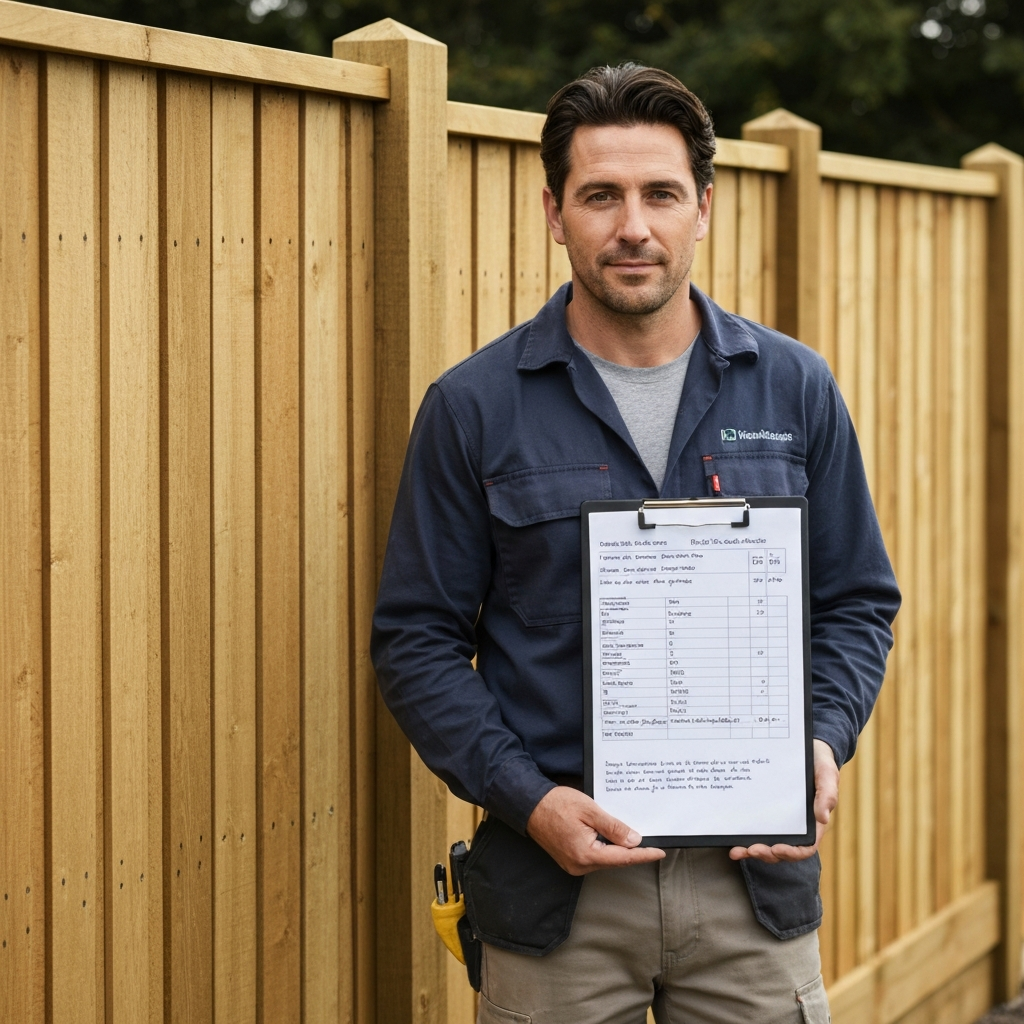
Timber likewise fails at the edges first: end grain where water can soak in, screw holes where activity starts to open tiny access factors, and rails that catch wetness against post faces. If you have actually ever had a fence panel appearance penalty from straight on however rot below or along the message line, you've already seen what this looks like.
The actual objective of upkeep: quit water paths and keep airflow
People frequently deal with timber fencing upkeep like a cosmetics work. A discolor here, a quick clean there. That aids, however the larger win is architectural long life. The most efficient maintenance actions are usually uninteresting and easy:
- Stop water from resting on leading surface areas and dripping into joints.
- Keep bolts and contact factors protected.
- Maintain airflow so the fencing can dry after rain.
- Catch early rot prior to it transforms a tiny repair into a panel rebuild.
If you do those points, colour and coating last longer. If you ignore them, no paint or tarnish will totally "deal with" a fence that keeps getting wet in the same places.
What to check prior to you buy items or start sanding
Before you start removing, spraying, or staining, do a fast assessment. This conserves money and protects you from using the incorrect covering over caught dampness or incompatible finishes.
Look carefully at four locations:
- Post bases and lower rails: look for softness, dark discoloration, and any type of splitting up at ground contact.
- End grain and cut sides: water likes these points.
- Fasteners: screws and nails can rust or loosen, leading to motion and cracks.
- Shade and water drainage patterns: if one section faces a downpipe or rests lower in the slope, it will behave differently.
It's likewise worth checking whether your fencing is on the "limit trouble" listing. In many suburban areas, fence regulations and obligations can vary, particularly around splitting fences. If you're uncertain concerning ownership or authorization, it can be worth asking a regional expert early. Fence companies Melbourne are made use of to the functional side of this, consisting of just how to record existing conditions and plan repairs without intensifying issues with neighbours.
A Melbourne seasonal list you can actually function through
A great deal of fences obtain disregarded because individuals try to do whatever at the same time. Seasonal maintenance spreads the work and reduces the possibility you miss a problem that changes quick after rain.
Spring: reset, repair, and prepare for growth and damp cycles
Spring in Melbourne often brings a mix of warm days and showers that follow. It's a great time to do a "stress and anxiety check" after winter months, when rot and looseness become obvious.
Check for loose rails, bowed panels, and any type of sections where the fencing looks slightly raised or separated from posts. If you see motion, fix it before summer season heat and storms include more stress. Likewise try to find mold and algae in shaded places. A fence that's eco-friendly or black isn't simply unpleasant, it can hold onto moisture.
If you plan to sand or recoat in spring, do it after any major wet spells. You desire a home window where the fence can dry out effectively in between steps. Timber coatings require constant drying time to bond properly.
If the fence is already discolored with a product still in great condition, you may not need complete removing. Often cleansing and place upkeep are enough. When the finish is flaking or peeling, then removing or hostile sanding is usually the safer path, due to the fact that layer over stopping working layers often tends to produce more issues later.
Summer: protect against sunlight, dry cycles, and the "it looks great" trap
Summer can trick you. A fence that looks decent on a warm day may be dried out and split at the edges, specifically around joints and finish grain. Sunlight and heat degrade surfaces, and the wood can start to shed its capacity to fend off water.
This is when I like to concentrate on the ending up layer: check where the coating has actually thinned, and recoat tiny areas early. If you wait until autumn, you risk rainfall securing wear and speeding up grey weathering.
Also expect heat-related activity. Timber can diminish and produce small voids, which become water networks when tornados come back. Tighten up hardware you can access safely, and try to find rails that have pulled away somewhat from posts.
One much more summer season information that matters: maintain greenery trimmed. Plants that lean against pickets obstruct air movement, catch leaf litter, and keep the surface area wet much longer than you expect.
Autumn: clean effectively and resolve water drainage and runoff
Autumn is top-rated fencing installers where Melbourne's fence problems start to turn up once more, since the climate can be wet and mild at the very same time. It's ideal for a thorough clean and for resolving drainage.
If your fencing runs near sprinklers or downpipes, readjust them. A little overspray or a downpipe that drips constantly onto one rail can wreck a section quicker than basic weathering. You're not attempting to make every little thing perfect. You just wish to stop repeat wetting in one spot.
This is also a good time to intend what you'll carry out in winter months. For example, if you understand there are a few soft areas, you can set up fixings when days are most likely to be workable and you'll have time for products to cure.
Winter: secure, reduce water exposure, and fixing early rot
Winter upkeep is much less regarding hostile fining sand and even more about avoiding deeper water damage. The most significant risk in winter months is that tiny rot pockets broaden behind layers or under rails where you can't immediately see them.
Do an assessment after heavy rainfall. Expect water pooling and for areas where the fence seems to stay darker. That commonly suggests moisture is caught under surfaces or in call points.
If you find real rot, do not treat it as a cosmetic issue. Rot can spread along rails, around bolts, and right into adjoining boards as soon as wetness has discovered the entry course. Remove the afflicted area, completely dry every little thing completely, and replace with effectively treated timber. Then protect the cut sides and fastener openings effectively. A "momentary spot" has a tendency to come back as a larger repair in spring.
If you're doing any kind of coating work in wintertime, you need practical drying problems. Many lumber coatings call for drying out time that Melbourne winter may not give continually. If in doubt, delay layer and concentrate on repairs and airflow.
Quick seasonal checklist (use this to assist your stroll around)
Here's the practical variation you can recycle each period. It's brief deliberately, due to the fact that you'll really do it.
- Walk the fencing line and keep in mind any kind of locations that stay darker after rain, droop, or have loose rails.
- Check base rails, message bases, and end grain for gentleness, cracking, or dark staining.
- Trim vegetation away from the fence so air can flow and leaves do not stack versus it.
- Tighten loose bolts and change any type of that are rusting or drawing through.
- Decide what requirements covering or cleansing, based on whether the existing finish is peeling, undamaged, or currently failing.
Cleaning timber fencings without harming the wood
Cleaning is where people either help or harm their fencing. Stress cleaning can be helpful, but it can additionally require water right into joints and strip fibers if used also strongly. If you press clean, do it carefully and keep the nozzle moving. Aim to eliminate gunk and surface algae, not to cut right into the timber.
When a fence has algae or mildew, the right technique is frequently a light deck cleaner or fencing laundry, complied with by appropriate rinsing. Constantly adhere to item directions, specifically around dwell times and rinsing requirements. I have actually seen property owners avoid the rinse action and wonder why finish fails a season later on. Residues can disrupt adhesion.
If the timber is harsh or splintering, stay clear of abrasive approaches that produce new damages. A gentle clean plus area sanding at problem locations is generally much better than blasting the whole fence hopes of making it look new.
After cleansing, allow the fence dry completely prior to you apply layers. Coating over moist wood is just one of one of the most common reasons for premature peeling, blistering, and uneven absorption.
When you ought to sand, strip, or simply spot-treat
This is where judgement issues. Not every fencing needs complete stripping. Not every tarnish demands to be scraped back to bare wood.
If the existing coating is undamaged and only looking boring or unequal, cleaning and re-staining the impacted areas could be sufficient. If you discover peeling off, flaking, or liquid chalking that's coming off quickly, you most likely need fining sand or partial removing to create an audio surface.
If the finishing has numerous layers or is greatly weathered, a complete strip might be the long-term time saver. The compromise is work and disposal. Stripping also exposes hardwood to weather while you function, which indicates preparation matters. Attempt to set up stripping and layer during a period with more consistent dry conditions.
If you're uncertain what finish is currently undecided, avoid assumptions. Check a small location with mild sanding or a very discreet chemical compatibility check if you're utilizing a stripper. Timber coatings are not constantly pleasant to "whatever product you have at home."
Protecting the powerlessness: messages, rails, and joints
Timber fencings fail in foreseeable areas. You do not require to think, you require to look.
End grain and cut edges
End grain beverages water. If your fence has actually been cut, pierced, or fixed without correct securing, those points commonly darken initially. When you do repair services, seal cut edges as component of the process, not as an afterthought.
Bottom rail and ground contact
The lower part of a fence is the most exposed to splashback, dirt dampness, and leaf litter. If a rail or picket is constantly touching wet ground, you'll eventually obtain rot also if the surface area looks okay.
If your fence rises somewhat over ground, it will normally last much longer. If parts rest low because of dirt build-up or landscaping modifications, you may need to readjust the soil line or boost drain. Fence companies Melbourne often see this after new garden beds enter, where a formerly safe clearance comes to be buried.
Fasteners and movement
Loose rails and small activity create openings. Water finds those openings, ices up and thaws, after that works deeper in time. Making use of corrosion-resistant fasteners assists, however movement is still the opponent. Tighten up hardware and change anything that's pulling out.
Coatings and discolorations: what "great" appears like on a Melbourne fence
A good finish does three points: repels water, allows the timber to handle wet and completely dry cycles, and stays bound to the surface long enough to do its work. In Melbourne, you'll commonly obtain longer life from coatings that are used properly and occasionally covered up.
Tinted stains often tend to mask some greying and can level the appearance. Clear coatings can look attractive, yet they usually reveal weathering faster. If you want one of the most uniform appearance, a maintenance strategy that consists of reapplying at the right time is typically extra reliable than awaiting major failure.
One useful idea from experience: don't overthink the colour. Focus on coverage and correct drying in between layers. A slightly various tint won't wreck your fence durability, yet irregular application and rushing treatment times can.
If you're working with an item system, remain consistent. Changing between different finishing chemistries can work in some situations, however it can also lead to adhesion troubles. When doubtful, adhere to the very same brand name or examination a tiny section.
Repairs that prevent repeat problems
Replacing timber is often unavoidable, specifically when there's real rot or structural failing. The key is to repair in a manner that stops the exact same water pathway from returning.
When you change a rail or picket, make certain the signing up with surfaces are dry and safeguarded. Do not just "swap the timber" and leave cut edges unsealed. Those sides are frequently the beginning point for future rot.
If you locate rot around bolts, examine beyond the obvious. Rot can travel along rails or into neighbouring sections, specifically if water is caught in a joint.
If you're managing a larger section or numerous compromised panels, it may be time to involve professionals. It's not concerning being elegant. It has to do with having the best gain access to devices, dealt with products, and the capacity to examine the extent of damages prior to you dedicate to painting a problem that hasn't been totally removed.
A fast contrast: do it yourself maintenance vs getting help
Sometimes do it yourself is perfect, sometimes it's a false economy. If you're dealing with a small fencing section in excellent architectural condition, do it yourself can be a solid, affordable strategy. If the fence is already weak, high up, or greatly impacted by rot, working with help often conserves time and avoids pricey rework.
Here's an easy means to decide.
- DIY is a great fit if the timber is mainly audio and you're doing cleaning, minor repair services, and spot re-coating.
- Call a fencing repair pro if you discover structural softness around blog posts, numerous loosened rails, or rot that appears to prolong beyond one board.
- Get prices quote early if you need multiple boundary-adjacent areas, since timelines can stretch around damp periods.
- If your fence is difficult to access, for example high inclines or limited backyard areas, professional tools and approaches can minimize damage.
Edge instances Melbourne homeowners run into
Timber fences do not always behave like the tidy examples in sales brochures. A couple of real-world situations appear once more and again.
One side of the fence is stopping working faster
This often boils down to water drainage. The fencing can be fine total, however one area might obtain consistent drainage from rain gutters, downpipes, or an uphill neighbor's lawn. Repairing drain can add years to life-span greater than transforming the item on the entire fence line.
The fence looks grey however is actually still stable
Grey weathering can be primarily surface area damage. The timber might be audio underneath, with a finishing layer that's discolored. Because instance, a clean and re-stain might recover water repellence without a full strip.
The fencing is lovely however the messages are stressed
Sometimes the slats look respectable, however articles are bowed or joints are shifting. Treat this as a structural concern, not a "make it prettier" concern. If a blog post is endangered, the very best finishing on the planet will not hold the fence together.
New repair services look various from old timber
Repaired sections can take tarnish differently since fresh timber soaks up differently and has different porosity. That's not a disaster, yet it does influence appearance. Place matching may need greater than one application, and in some cases one of the most all-natural look comes after a complete re-coat once whatever is stable.
How to arrange your year without melting out
If you've ever started a fencing project and afterwards lost energy, you currently know the hardest part is not the first weekend break. It's preserving steady job till you complete the task well.
A practical rhythm for Melbourne is:
- Choose one period for much deeper prep work like cleansing and sanding.
- Use the next period for targeted area fixings and regulated re-coating.
- In wintertime, focus on examination and structural stability instead of hefty finishing work.
If you locate yourself wishing to do everything in someday, pause. Lumber maintenance is advancing. Tiny solutions done early tend to last longer than huge transformations done late.
What to tell your neighbour, if the fencing is shared or damaged
If your fencing is a separating fence, things can get uncomfortable fast. A calmness, certain method works better than unclear statements.
If you're planning fixings, the discussion is most convenient when you bring realities: where the damage is, what you recommend to take care of, and how you'll secure both parties' building throughout the work. If you desire quotes and images, take clear images from numerous angles prior to you start. Professionals often do this as component of the procedure, and it makes authorizations and contracts smoother.
Even if the fencing is independently owned, neighbors will still care about overflow, sound, and access. A little preparation avoids conflict.
Final note on assumptions: longevity is a system, not a product
Timber fences last due to the fact that they dry out, due to the fact that joints remain secured, and due to the fact that movement remains controlled. A stain or oil issues, but the maintenance strategy around it is what keeps water from discovering the very same entry points year after year.
If you keep to a seasonal examination, tidy at the right times, repair service very early rot, and top up coatings when the surface area begins to stop working, you'll normally avoid the "whatever should be replaced" moment. And if you ever before reach the point where the task is past your comfort or accessibility, getting help from experienced fencing repair groups, including Fence companies Melbourne, can stop you from paying twice.
An easy final walkaround regimen (20 minutes)
If you only have time for one quick session this season, make it a walk-and-check instead of a complete repair day. Stand at one end, look across the whole fencing, then focus on the bottom rails and article bases, and finally inspect end grain and fasteners on the sections that look dampest.
You'll generally identify the top priority areas within mins. The fencing informs you what it requires, you simply need to recognize where to look.